In the crowded e-commerce landscape, having a great product is no longer enough. Consumers are bombarded with choices, and they are increasingly making purchasing decisions based on emotion, trust, and connection rather than just price. This is where ecommerce branding becomes your most powerful asset.
Key Insight: A brand is not just a logo or a color palette. Your brand is the gut feeling a customer has about your business. It is the promise you make and the experience you deliver consistently across every touchpoint.
What is Ecommerce Branding?
Ecommerce branding is the process of creating a distinct, memorable, and consistent identity for your online store. It encompasses everything from your visual identity (logo, colors, typography) to your brand voice, packaging, customer service, and the overarching story you tell your audience.
Effective branding transforms a commodity into an experience. For example, why do people pay $40 for a Yeti tumbler when they can buy an identical generic tumbler for $15? Because Yeti isn't selling stainless steel; they are selling durability, adventure, and status. That is the power of branding.
Step 1: Define Your Brand Core
Before you design a logo or pick colors, you must define the foundational elements of your brand. Ask yourself the following questions:
- Brand Purpose: Why does your business exist beyond making money?
- Target Audience: Exactly who are you trying to reach? Create detailed buyer personas including their demographics, pain points, and desires.
- Unique Value Proposition (UVP): What makes you different from your competitors? Why should someone choose you?
- Brand Personality: If your brand were a person, how would it behave? Is it playful, serious, luxurious, or rugged?
Step 2: Crafting Your Brand Visual Identity
Once your brand core is established, you can begin translating those concepts into visuals. Your visual identity must be consistent across your website, Amazon storefront, social media, and packaging.
Color Palette
Choose 2-3 core colors. Use color psychology to align with your brand's emotional goals (e.g., green for health, black for luxury).
Typography
Select fonts that reflect your personality. Serif fonts convey tradition, while sans-serif fonts feel modern and clean.
Logo Design
Your logo should be simple, scalable, and instantly recognizable. Avoid overly complex designs that get lost on mobile screens.
Step 3: Developing Your Brand Voice and Tone
How you speak to your customers is just as important as how you look. Your brand voice should be consistent across all written communication: website copy, social media captions, email newsletters, and customer support responses.
If your brand personality is "fun and approachable," your copy shouldn't read like a legal document. Use humor, emojis, and casual language. If your brand is a high-end luxury skincare line, your tone should be sophisticated, calm, and authoritative.
Step 4: The Unboxing Experience
In ecommerce, the first physical interaction a customer has with your brand is the moment they receive their package. Packaging is your silent brand ambassador.
A premium unboxing experience can turn a one-time buyer into a loyal advocate who shares your product on social media. Consider the following elements:
- Custom boxes or poly mailers with your brand colors.
- Branded tissue paper or inserts.
- A handwritten thank-you note (or a printed card that looks personal).
- Free samples or unexpected small gifts.
Step 5: Consistency is the Key to Trust
The biggest mistake ecommerce brands make is inconsistency. If your Instagram is bright and playful, but your website is dark and corporate, customers will feel disconnected. Inconsistency breeds distrust.
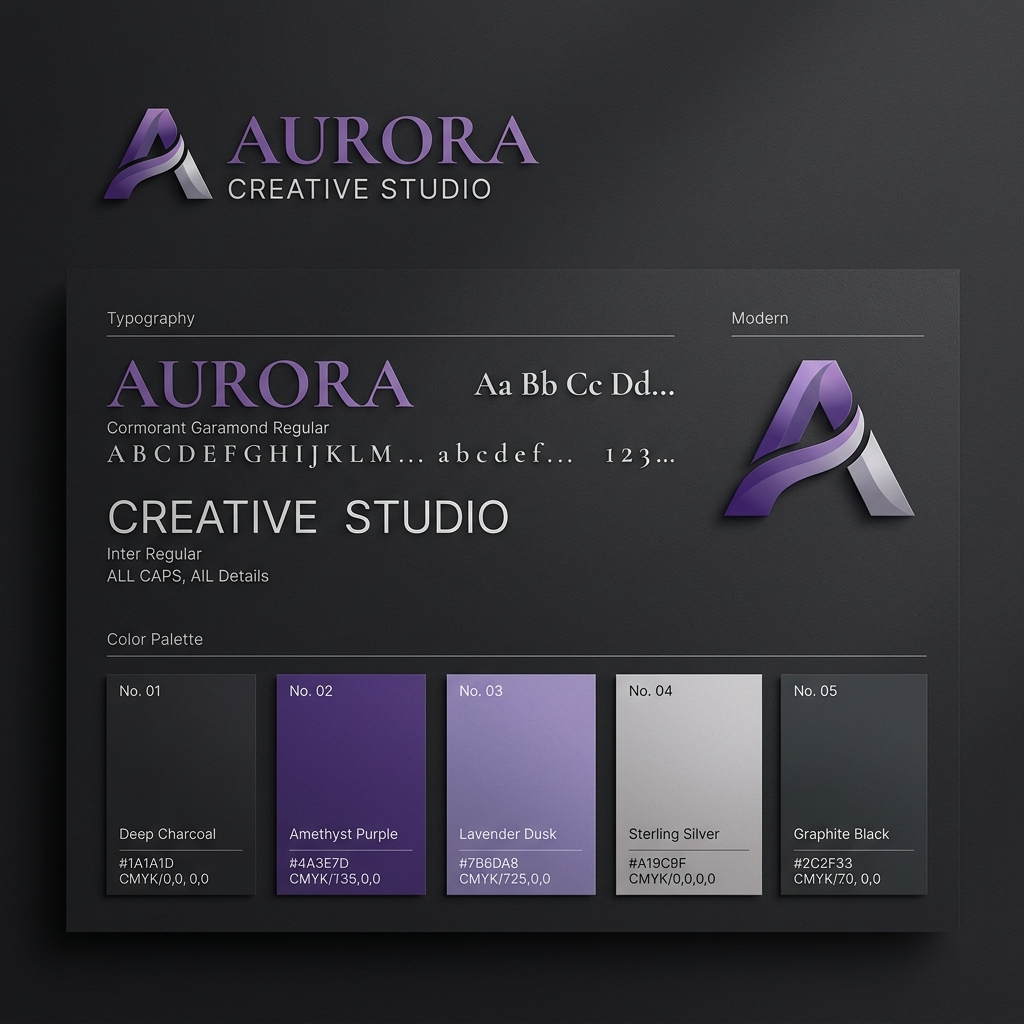
To ensure consistency, create a Brand Style Guide. This document should outline exactly how your logo can be used, the specific hex codes for your colors, the fonts you use, and guidelines for your brand voice. Share this guide with anyone who creates content for your business.
Conclusion: Branding is a Long-Term Investment
You cannot build a memorable brand overnight. It requires a deep understanding of your audience, a commitment to quality, and relentless consistency. But the payoff is immense: higher margins, loyal customers, and a business that can survive algorithm changes and market shifts.
Need Help Building Your Ecommerce Brand?
From logo design to packaging and complete Amazon storefront branding, D.Marketing helps you build an identity that stands out and sells.
Start Your Branding Journey Today